1) Supply is available, but product mix matters.
China steel buyers are still seeing enough finished-steel supply to keep export inquiries moving. Shanghai Metals Market reported that key steel enterprises produced 19.24 million tonnes of crude steel in early September, with average daily output at 1.924 million tonnes, up 2.0% from the prior period.
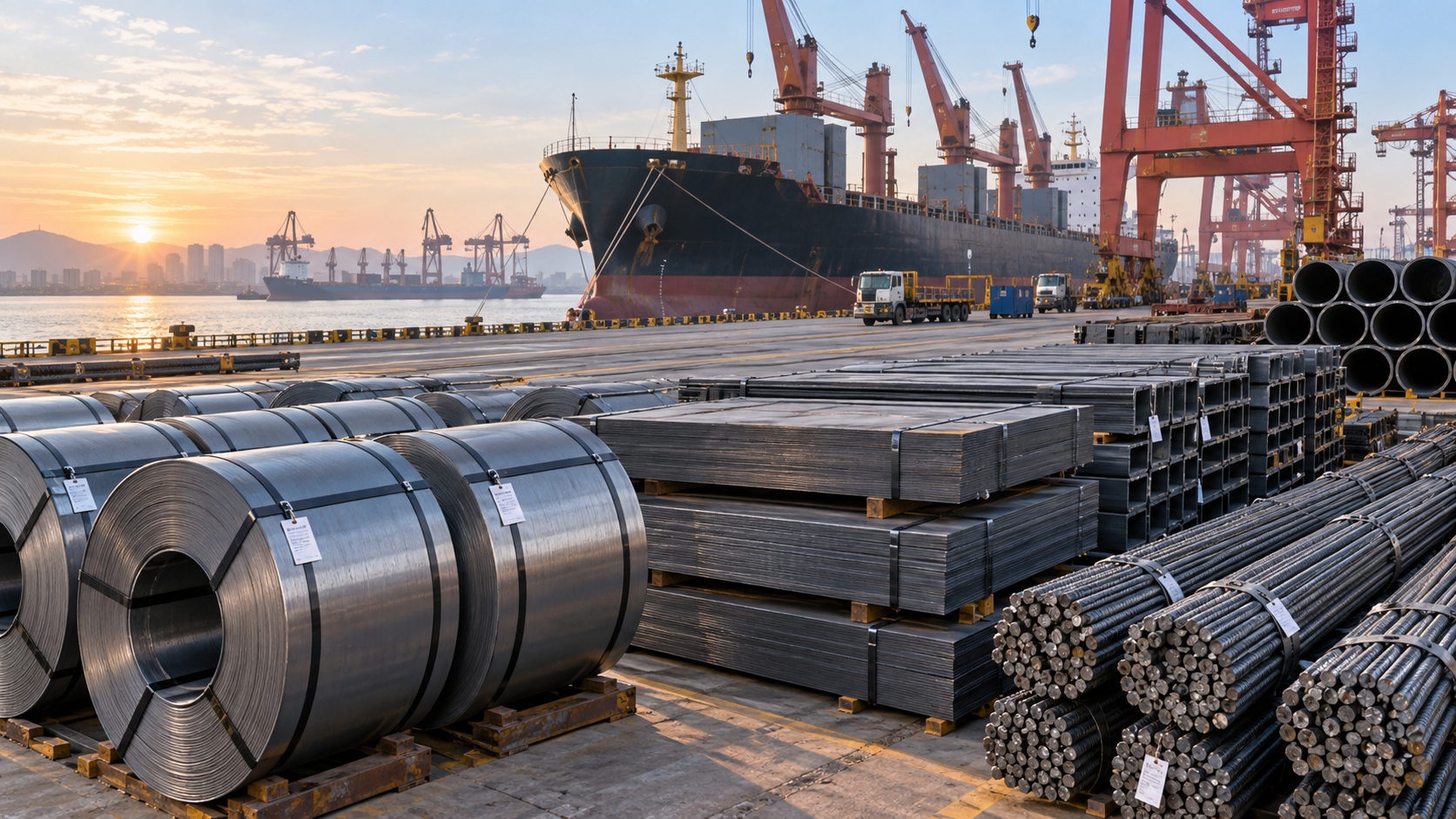
For overseas buyers, the important point is not only total supply. Coil, plate, galvanized sheet, sections, rebar, wire rod and pipe each carry different packing, inspection, loading and destination-duty issues, so mixed orders need to be built line by line instead of treated as one simple steel cargo.
2) EU quota pressure keeps trade friction in the quote.
SMM also reported that European Commission data in mid-September showed multiple third-country steel import quotas near exhaustion for the July-September period. That signal keeps buyers alert to quota balance, product category and timing before they lock late-September or October arrivals.
Tariff trackers continue to show steel and aluminum among products exposed to layered trade measures in major destination markets. Importers should treat HS code, mill certificate, origin statement, coating description, processing route and shipment date as commercial items, not paperwork left for the end.
3) Port execution decides which orders can ship cleanly.
The practical export screen is now a combination of product mix and port feasibility. Coils need cradle, eye direction and strap checks; plate bundles need weight discipline; long products need lifting plans; and pipe stacks need nesting, marking and lashing details that match the vessel or container route.
When buyers combine several finished-steel products for one project, the safest schedule starts with a loading plan. Separating container-ready cargo from breakbulk or project cargo early gives the exporter time to align inspection photos, packing lists, port cut-offs and bill-of-lading wording.
4) YQ Steel's working view for September 18.
YQ Steel reads today's market as active but more selective. The best inquiries connect grade, standard, size, quantity by item, surface requirement, packing method, destination port, inspection need and document language before asking for a final price.
For buyers, the useful move is to ask suppliers for availability, tariff-sensitive descriptions and loading feasibility together. That approach helps Chinese steel exporters quote accurately, protect shipment windows and reduce avoidable landed-cost surprises.