1) August exports keep buyers engaged.
China's finished-steel export flow remains large enough to keep overseas buyers active, even as order selection becomes more careful. IndexBox reported that August 2026 steel exports edged up 0.3% from July to 10.15 million tonnes, while SteelOrbis cited 75.149 million tonnes of finished-steel exports for January-August, down 3.0% year on year.
That combination points to a market that is not short of tonnage, but is more sensitive to product form. Coil, plate, galvanized sheet, sections, pipe, rebar and wire rod each carry different packing, inspection, freight and destination-duty implications, so buyers are increasingly asking suppliers to quote by item rather than by a broad blended cargo idea.
2) Trade friction is still part of the quote.
Trade policy remains close to steel sourcing decisions. Recent tariff trackers continue to list steel and aluminum among products exposed to layered U.S. import measures, while broader trade discussions are keeping attention on how Chinese steel-linked supply chains are reviewed in destination markets.
For importers, the practical check is document quality. HS code, grade, standard, mill certificate, coating description, processing route, origin statement and shipment date should be aligned before a booking is treated as firm, especially for destinations where anti-dumping, safeguard or Section 232-style review can affect landed cost.
3) Port execution decides which mixed orders can move.
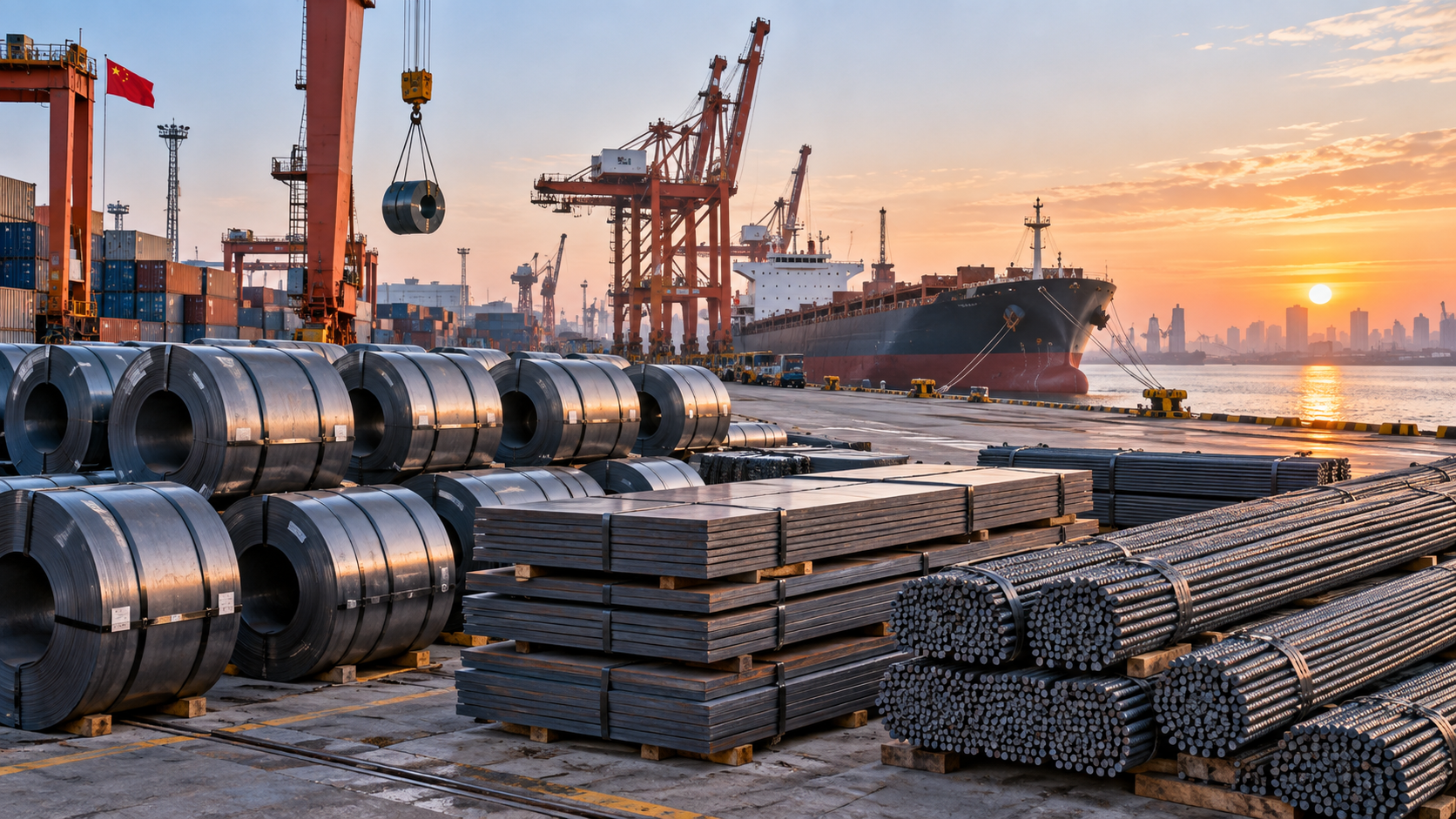
Finished steel does not ship as one simple cargo type. Coils need cradle and strap checks, plates need bundle-weight discipline, long sections need lifting and length review, and pipe stacks need nesting, marking and lashing plans that match the vessel or container route.
When a buyer combines several products for one project, the loading plan should separate container-ready cargo from breakbulk or project cargo early. That gives the exporter time to confirm inspection sequence, photos, packing list detail, port cut-off and bill-of-lading wording before the shipment window tightens.
4) YQ Steel's working view for September 17.
YQ Steel reads today's market as active but filtered. The strongest late-September inquiries connect product mix, destination compliance and port loading in one file: grade, standard, size, quantity by item, surface requirement, packing, destination port, inspection need and document language.
For buyers, the next step is to ask suppliers for availability, tariff-sensitive descriptions and loading feasibility together. That approach helps Chinese steel exporters quote more accurately, protect the shipment schedule and reduce avoidable landed-cost surprises.