1) Product mix is the first risk screen.
China-origin finished-steel offers are still active, but buyers are looking harder at which products can clear destination checks cleanly. Recent market data from CEIC continues to show monthly export tracking by detailed steel categories, including cold-rolled stainless sheet through July 2026, a reminder that the export story is not one single volume number.
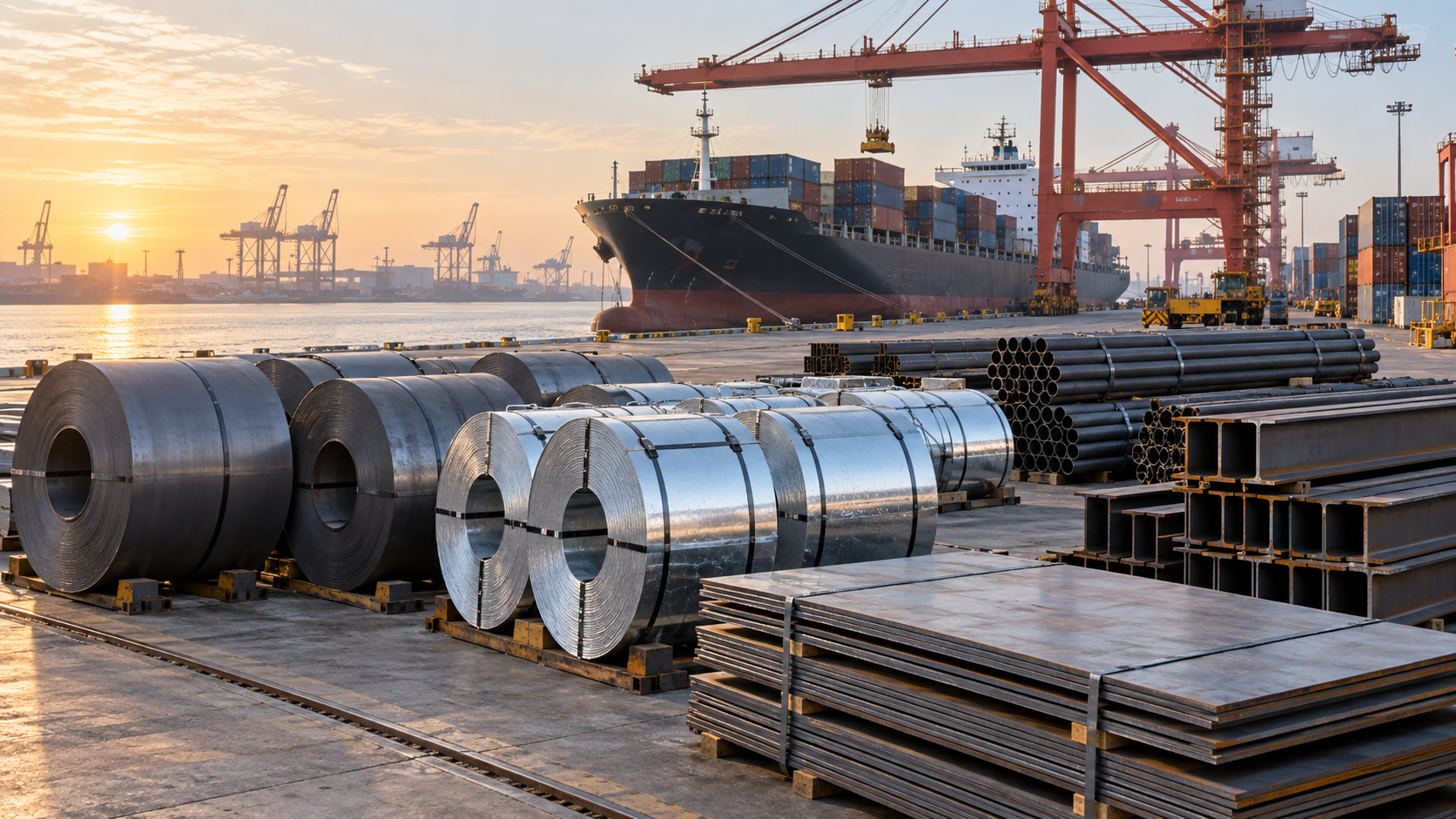
For overseas buyers, that means a mixed order should be broken down before price comparison. Hot-rolled coil, galvanized coil, plate, H-beams, pipe and rebar each carry different standards, packing requirements, certificate wording and inspection needs, and those details can decide whether an order moves smoothly or sits waiting for clarification.
2) Tariff pressure is shaping destination choices.
Trade friction remains a practical cost variable rather than background noise. Penn Wharton Budget Model reported in its September 9 update that steel and aluminum products remain the most heavily tariffed U.S. import category, with an effective tariff rate of 40.5 percent, keeping duty exposure high in buyer landed-cost calculations.
The operational response is to check the file before loading: HS code, product description, mill certificate, coating or processing detail, shipment date, origin declaration and buyer import route should match the destination rule set. A low ex-works price loses value quickly when the duty file is incomplete or the product description is too vague.
3) Port execution still decides the real delivery date.
Shipping conditions are not uniform across all steel products. Search results this week also pointed to continued discussion of container freight pressure, port congestion and vessel scheduling, which matters for heavy cargo where utilization, lashing, bundle size and cut-off timing affect the workable shipment plan.
Buyers should ask for a shipment plan that separates container cargo from breakbulk or project cargo when needed. Long beams, plate bundles, pipe nests and coated coil may all require different handling, and the right plan should be confirmed before the final purchase order rather than negotiated after cargo is ready.
4) YQ Steel's working view for September 13.
YQ Steel reads today's market as selective but workable. The best China steel export orders are no longer just the fastest quotes; they are the orders where product family, grade, dimensions, packing, documents, shipment lane and duty exposure are aligned from the first inquiry.
For September 13 bookings, send the product standard, grade, dimensions, quantity by item, surface or coating requirement, packing request, destination port, target shipment window, inspection preference and document language together. A complete inquiry gives the exporter room to reserve the right mill slot, plan port handling and reduce last-minute freight or compliance surprises.