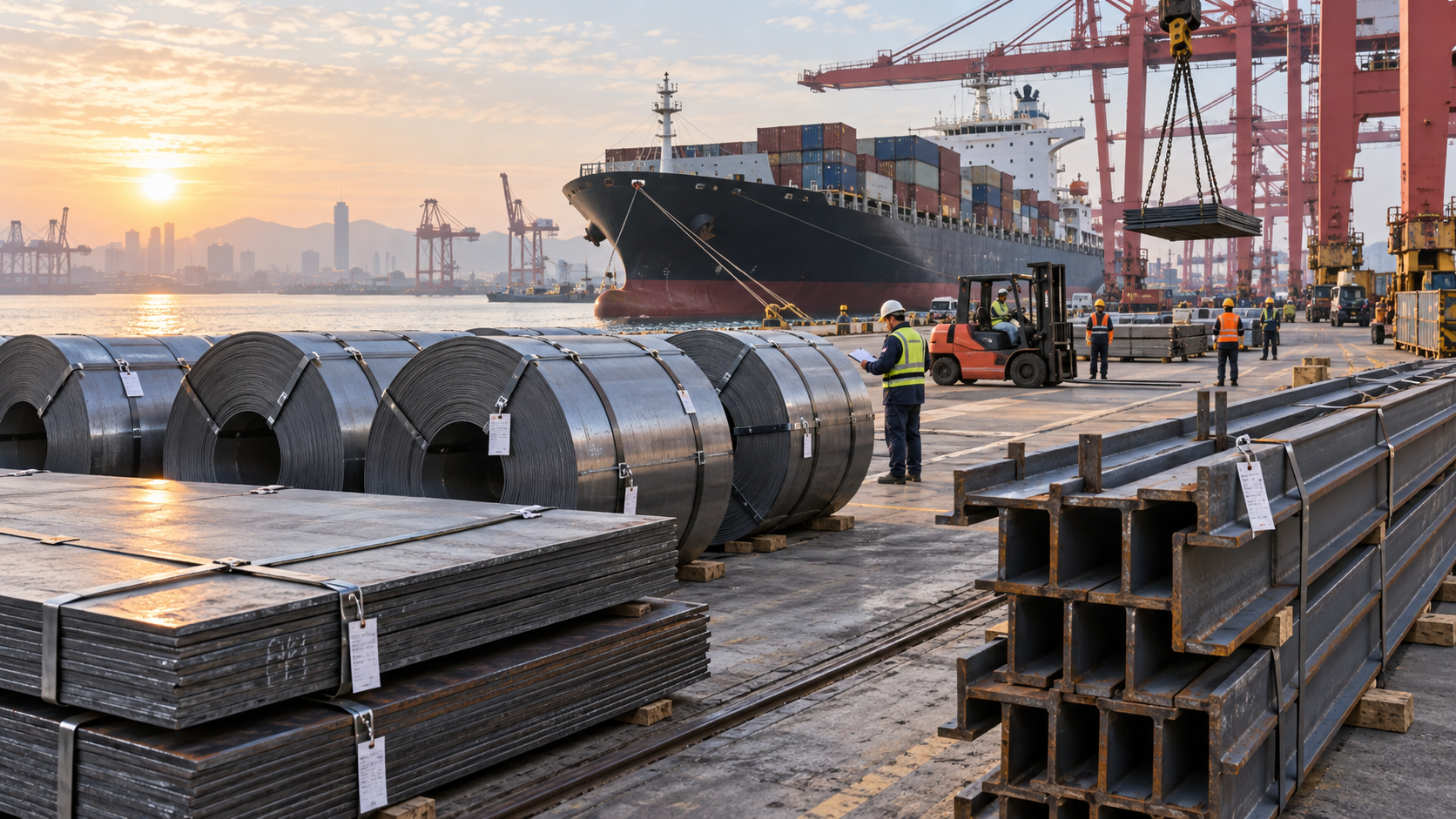
1) Freight pressure is still part of the offer.
China-origin finished-steel inquiries are still moving through an active September export window, but the shipping side is less predictable than headline vessel capacity suggests. Xinde Maritime News reported this week that container freight rates have not fallen as expected in the second half of 2026, citing geopolitical disruption, port congestion and trade growth as frictions that are absorbing part of the new capacity.
For steel buyers, that matters because coil, plate, beams, pipe and rebar do not all use the same booking logic. Cargo weight, packing method, container or breakbulk choice, port cut-off, lashing plan and customs document timing can change the practical landed cost even when the mill price is stable.
2) Tariff files need to be checked before loading.
Trade policy remains another moving part in the landed-cost file. A September 10 tariff tracker from Trade Compliance Resource Hub continued to flag steel and aluminum duty exposure, including timing rules for goods loaded onto vessels and already in transit before specified cut-off times.
The operational point is simple: destination compliance should not wait until cargo reaches the port. HS code, product description, mill certificate wording, origin statement, coating or processing details and shipment date should be checked against the buyer's duty scenario before final release.
3) Product mix decides which orders can move cleanly.
Finished steel demand is selective rather than uniform. Buyers comparing hot-rolled coil, galvanized coil, plate, merchant bar, structural sections and pipe should ask suppliers to separate the quote by product family, size range, standard, packing requirement and shipment lane.
That separation helps avoid a common September problem: treating a mixed order as one simple price. A small change in beam length, bundle weight, zinc coating, plate thickness or pipe packing can alter container utilization, inspection timing and available sailing options.
4) YQ Steel's working view for September 12.
YQ Steel reads today's market as opportunity with discipline. China steel exports remain relevant for buyers that need finished products, but the strongest orders now combine product accuracy with freight planning and tariff awareness from the first inquiry.
For new September 12 bookings, send the product standard, grade, dimensions, quantity by item, surface or coating requirement, packing request, destination port, preferred shipment window, inspection preference and document language together. A complete order file gives the exporter room to reserve the right mill slot, align port execution and reduce last-minute freight or compliance surprises.